

A map legend is more than a small box placed within a visual layout. It serves as the key to understanding the entire geographic display.
Without a clear legend, users may see lines, colors, and various symbols but struggle to interpret what they mean.
In both traditional cartography and modern tools such as ArcGIS, the legend is essential because it explains what symbols represent and how geographic features connect to one another.
The definition of map legend refers to the section of a geographic interface that lists and explains the symbols, colors, or patterns used throughout the design.
A legend contains the details that help users interpret roads, rivers, elevation, and points of interest. In simple terms, a legend is a list that clarifies what the symbols and colors to represent various features actually mean. Without a legend, even a simple road diagram showing a blue line for a river or a red marking for a highway can become confusing.
In professional cartographic work, cartographers use carefully structured symbology to indicate terrain, boundaries, and thematic information.
The legend and the overall visual structure function together so that symbols within the design can be interpreted accurately.
This is especially important for thematic maps, where different symbols or colors represent different data categories such as population density or climate zones. In topographic maps, the legend also explains elevation lines and scale references, helping users navigate terrain more precisely.
The US Geological Survey explains topographic maps as detailed geographic representations that rely on consistent symbols and legends to communicate terrain and elevation information.
Interpreting a geographic interface requires more than viewing shapes and colors. It requires knowing what each symbol represents and how the legend decodes spatial information. Whether used in classrooms or advanced geographic information systems like ArcGIS, the definition of map legend remains central to navigation and clarity.
In the next section, we will explore the formal legend definition in more detail and examine how the map key or legend supports clear communication through legend symbols and essential design components.
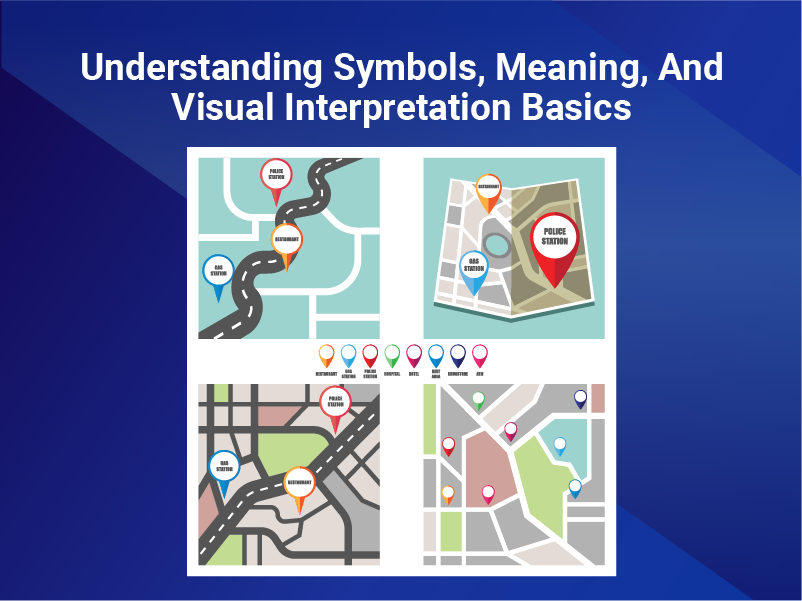
A clear map legend is essential because it connects visual design with meaning. Without a legend, even a well-designed road diagram can become difficult to interpret.
Symbols and colors may appear organized, but without explanation, they lose value.
The legend is essential for navigation and understanding the layout, especially when different symbols are used to denote highways, rivers, public house locations, or terrain types.
Educational resources such as National Geographic map education resources explain how legends, symbols, and geographic features work together to help users interpret spatial information correctly.
A typical visual interface legend contains:
The map legend includes both text and graphics. It explains what the symbols mean and helps users understand how geographic information is organized.
In thematic visual interfaces, different symbols or colors represent different things, making the legend even more important.
The terms map legend and map key are often used interchangeably. However, understanding the distinction improves clarity.
| Term | Meaning | Usage |
| Map Legend | Section that explains symbols and colors | Common in digital and professional visual locators |
| Map Key | Another term for legend | Often used in basic or classroom settings |
A visual interface key may appear in the corner of a display, while the legend may be shown as an expanded panel in digital visual locators software. In both cases, the purpose remains the same: to help users interpret symbols and decode what appears within the interface.
Without a visual interface legend, users must guess what each symbol represents. With a clear legend definition and structured layout, even complex professional cartographic systems become easier to interpret.
In the next section, we will examine the definition of map key in more detail and clarify how the key or legend functions across different types of geographic design.
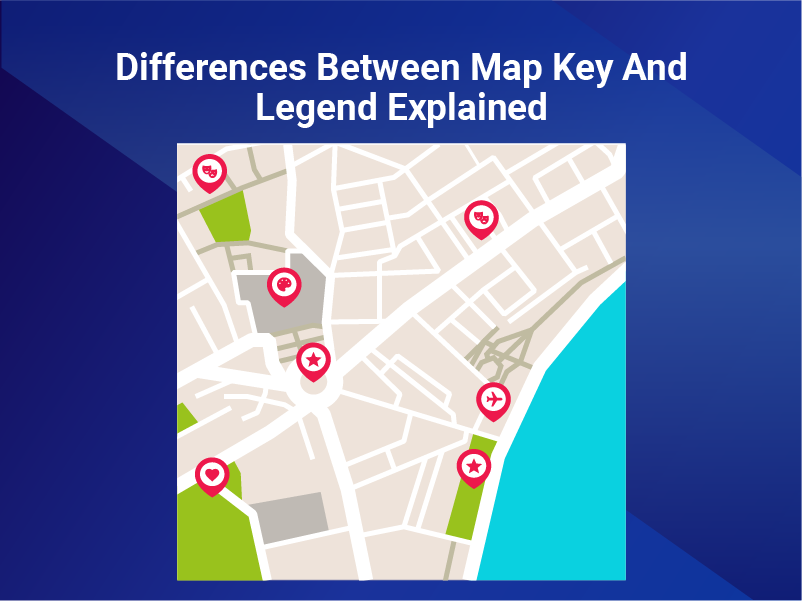
The definition of a map key refers to the explanatory panel that helps decode the various symbols used within a geographic display.
A key may appear in the corner of the layout and serves the same purpose as a legend. In most cases, the key or legend explains what the symbols represent so users understand the visual interface clearly.
The definition of map legend and key are closely related. In many common geographic formats, the terms are interchangeable. However, both exist to clarify information within a visual display and guide navigation.
A key may include:
In a road diagram, a symbol represents a highway or simple road. In topographic displays, the key explains contour lines and elevation.
In a thematic visual interface, the key or legend identifies different data zones.
Without a clear key or legend, even professional cartographic layouts become difficult to interpret.
Cartographers use structured symbology so that symbols and colors remain consistent across geographic features.
The legend symbols must match the symbols that appear within the interface. When they align, users understand what they see immediately. When they do not, confusion begins.
In the next section, we will explore the definition of map grid and how positioning systems support clarity in digital mapping environments.
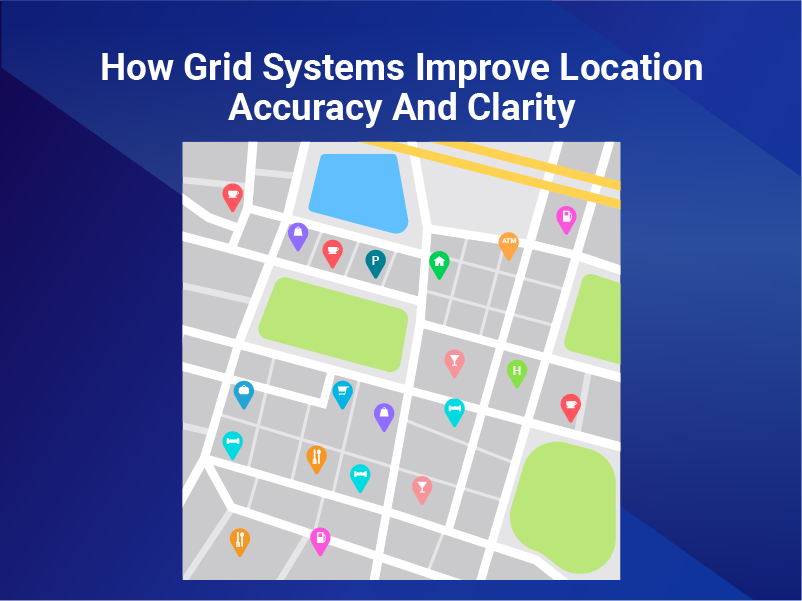
The definition of map grid refers to the structured network of horizontal and vertical lines used to locate positions accurately. These lines are based on latitude and longitude and help users navigate terrain and identify precise coordinates.
While the definition of map legend explains what the symbols represent, the visual interface grid explains where those features are located. The legend and grid work together to make the visual interface readable.
A grid system may include:
In topographic maps and thematic maps, grid alignment ensures geographic information is organized clearly.
Digital mapping software such as ArcGIS uses similar structured positioning systems behind the scenes.
Modern platforms like Google Maps rely on coordinate-based systems for accurate navigation. According to official Google Maps documentation, digital geographic systems use layered positioning and data rendering to provide clarity and accuracy.
However, while positioning may be accurate, the definition of map legend remains critical.
A precise grid cannot replace a clear legend. Without a map legend, users may know where something is located but not what it represents. Moreover, according to official Google Maps documentation, digital mapping platforms rely on coordinate systems and layered geographic data.
In the next section, we will shift toward practical business applications and examine why the definition of map legend matters in modern websites.
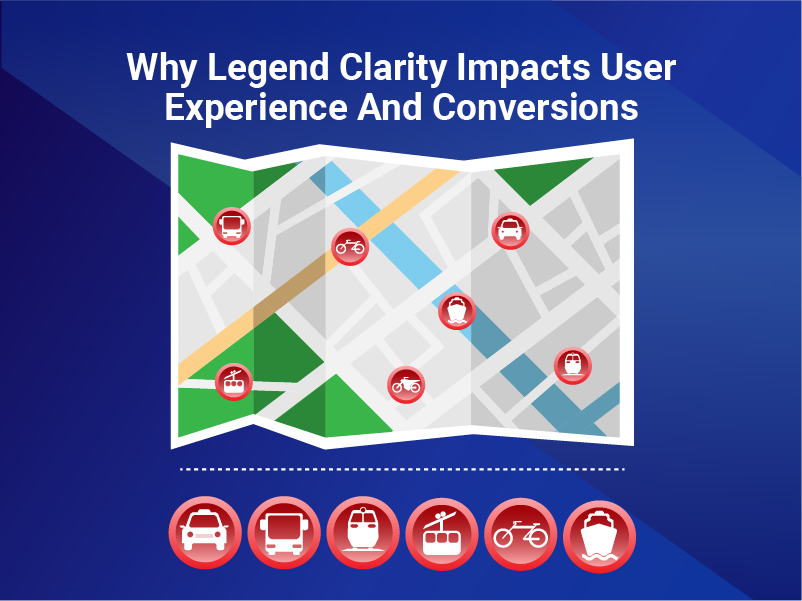
Understanding the legend becomes even more important in digital business environments. Many websites embed a location display but fail to explain the symbols used within the interface clearly.
A typical business layout may include:
Without a map legend, users must guess what each symbol represents. This increases friction.
Businesses comparing platforms through a Google Maps vs MapQuest comparison often focus on features and pricing but ignore legend clarity.
Moreover, businesses evaluating platforms through a Mapbox vs Google Maps comparison often analyze pricing and performance but overlook legend clarity.
The definition of map legend is not only academic. It directly affects trust, usability, and conversion performance. A well-structured legend ensures users understand the interface instantly and can navigate confidently.
Businesses exploring online business ideas often rely on location visibility and clear geographic interfaces to guide customers toward physical stores and service centers.
In the next section, we return to how WP Maps transforms the definition of map legend into a structured business tool.

At its core, the legend explains how symbols and colors are organized so users can understand what appears within a geographic interface. But in digital business environments, the legend must do more than explain. It must guide decisions. It must reduce friction. It must inspire confidence.
This is where WP Maps transforms the definition of map legend from a static explanation into a dynamic business asset.
Many websites display multiple location markers. They may show different service types, delivery zones, or store categories. Yet the definition of map legend is often applied poorly or ignored entirely. The result is hesitation. Users see various symbols but cannot immediately decode their meaning.
WP Maps changes that experience.
The map legend is not just about identifying a symbol. It is about clarity in motion. When users open a business location display, they should instantly understand what each symbol represents and how it connects to services or locations.
WP Maps ensures that the legend is implemented clearly and consistently across the interface.
With WP Maps, businesses can:
When the definition of map legend is applied correctly, the legend and visual layout become a unified system. Users understand what they see without effort.
The difference between a static legend and a dynamic one is significant.
| Feature | Static Legend | WP Maps Interactive Legend |
| Symbol clarity | Limited | Clear and structured |
| Category filtering | Not available | Clickable filters |
| Alignment with symbols used | Often inconsistent | Fully synchronized |
| User navigation | Manual scanning | Instant filtering |
| Conversion impact | Minimal | High engagement |
The definition of map legend emphasizes explanation. WP Maps extends that explanation into action.
Instead of simply listing legend symbols, WP Maps allows users to interact with them. A symbol represents a specific service category. When clicked, only relevant locations appear within the interface.
This makes the visual display easier to interpret and faster to use.
Think about a customer searching for a service center. They open a location display and see multiple icons. Without a legend, they hesitate. They zoom in. They guess. They may leave.
Now imagine the same interface with a clearly structured legend. The definition of map legend is visible, interactive, and aligned with every symbol. The user understands immediately. The decision becomes simple.
The legend is essential because it removes doubt.
Businesses that first learn how to add a business location to Google Maps Businesses that first learn how to add a business location to Google Maps or how to insert Google Maps on a website, often stop there. But adding a location is only the first step. Implementing the legend correctly is what makes the interface usable.
For companies scaling beyond basic mapping, advanced systems such as Agile Store Locator complement WP Maps by supporting complex multi-location structures. Together, they ensure the legend remains consistent even as location networks grow.
The definition of visual interface legend may sound academic, but in business environments, it becomes strategic. It:
A well-structured legend transforms geographic information into a guided experience.
WP Maps does not simply provide the geographic interface. It ensures the definition of map legend is executed with precision, consistency, and usability.
When symbols and colors are aligned, when legend symbols are interactive, and when categories are clearly grouped, the interface feels professional.
In modern digital mapping environments, clarity is power. The definition of map legend is the foundation. WP Maps is the execution.
In the next section, we will examine how applying the legend correctly improves trust and measurable business performance.

Now that we have explored how WP Maps operationalizes the definition of map legend, it is equally important to examine where businesses go wrong. The definition of map legend is clear in theory, but many websites fail to apply it correctly in practice.
When the legend is misunderstood or ignored, clarity breaks down. The legend and the visual interface no longer work together. Symbols appear within the display, but users struggle to decode them. The result is hesitation, confusion, and lower engagement.
One of the most common errors is displaying multiple markers without including a visible legend.
Without a legend:
Even a common business layout should include a legend definition that explains legend symbols clearly.
Another frequent issue occurs when symbols used in the legend do not match the symbols that appear within the interface. This breaks the connection between legend and overall structure.
For example:
When the definition of map legend is applied correctly, symbols in the legend must mirror what appears in the display exactly. Cartographers use strict symbology standards in professional cartographic work for this reason.
Some businesses overload their legend with too many categories. While thematic maps may require multiple data layers, clarity must remain a priority.
When applying the definition of map legend, businesses should avoid:
The legend is essential because it should simplify the interface, not complicate it.
Good geographic design requires alignment between:
If the legend is hidden or poorly positioned in the corner of the interface, users may overlook it. The legend contains critical context and should remain visible and structured.
Research in user experience design shows that users understand visual systems faster when the structure is clear and consistent.
When the definition of map legend is implemented thoughtfully, the interface becomes easier to interpret, and users understand location categories immediately.
Some websites treat the legend as a decorative add-on rather than a functional element. However, the legend shows that it is central to understanding the layout.
Without a legend, the user must rely on guesswork. With a structured legend, the visual interface helps users decode information quickly.
The difference may seem small, but it directly affects usability.
When businesses fail to apply the visual legend properly, they reduce the effectiveness of their digital mapping interface.
In the next section, we will explore how a well-structured definition of map legend improves trust, enhances user experience, and supports measurable business growth.

Now that we have seen how WP Maps operationalizes the definition of map legend, it is important to understand the broader impact.
The legend is not only about explaining a symbol. It directly affects trust, usability, and measurable business performance.
When the definition of map legend is applied clearly, users understand the visual interface instantly. They do not hesitate. They do not second-guess what different symbols represent. They move forward with confidence.
A well-implemented definition of map legend:
When users can decode the symbols immediately, they engage more confidently. The legend is essential because it translates visual information into clear meaning.
Navigation is not only about reaching a location. It is about understanding what that location offers. The definition of map legend ensures that every symbol represents something specific and meaningful.
For example:
When these categories are explained clearly through the definition of map legend, users understand their options without effort. That clarity improves decision-making.
Businesses that measure in-store traffic understand that physical visits depend on digital clarity. If the legend and interface are structured well, users are more likely to act.
When geographic information is easy to interpret, confidence increases.
The definition of map legend may appear simple, but its impact is strategic. It supports:
Without a legend, users must guess. With a clear legend, they understand immediately.
When businesses treat the definition of map legend as a foundational design principle rather than an afterthought, they create a structured digital experience.
That structure builds trust. Trust supports action. Action drives measurable growth.
In the final section, we will answer common questions about the definition of map legend, key, and grid to reinforce clarity and capture additional search visibility.
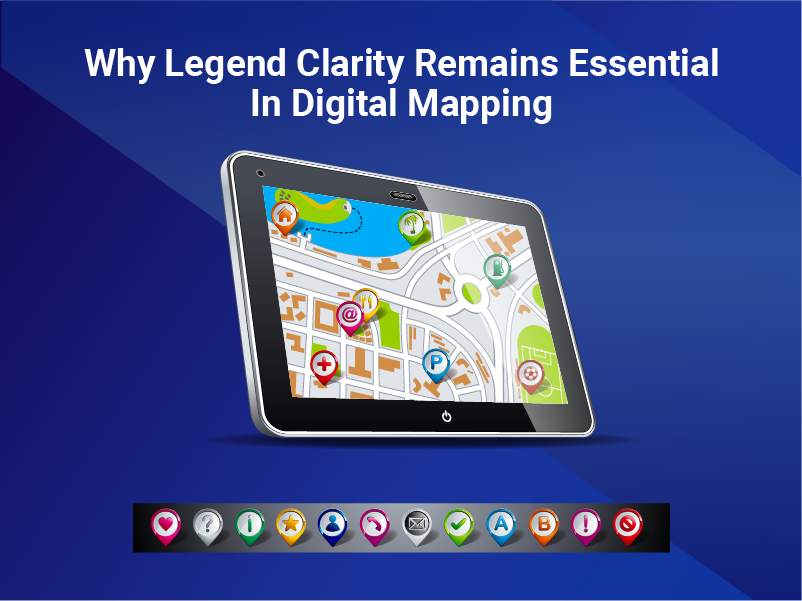
The definition of map legend may begin as a simple explanation of symbols and colors, but its importance extends far beyond textbooks.
From traditional cartography to advanced software like ArcGIS, the definition of map legend has always been central to understanding geographic displays clearly and accurately.
A visual legend contains the structure that allows a user to decode symbols within the interface. It explains what the symbols represent, how different features relate to one another, and how navigation becomes intuitive rather than confusing.
Without a legend, even the most advanced geographic information systems can feel unclear.
In digital business environments, the definition of map legend becomes even more critical. Businesses rely on clear visual communication to guide customers toward locations, services, and points of interest.
When the definition of map legend is implemented properly, users understand immediately. When it is ignored, hesitation replaces clarity.
The relationship between legend and overall design determines how quickly users can interpret information.
A strong legend supports scale references, grid positioning, elevation awareness, and thematic categorization. It ensures that symbols used are consistent and meaningful. It ensures that the legend is essential, not decorative.
WP Maps demonstrates how the definition of map legend can move from static explanation to interactive clarity. By aligning legend symbols with real business categories and enabling structured filtering, WP Maps turns understanding into action.
The definition of map legend is not simply about identifying a symbol. It is about creating confidence in navigation, building trust in digital interfaces, and ensuring that users understand what appears within the display instantly.
In every type of geographic interface, whether a simple road diagram or a complex thematic system, clarity determines effectiveness.
When the definition of map legend is respected and implemented with precision, the result is a visual experience that communicates, guides, and converts.
The legend refers to the section of a geographic display that explains the symbols or colors to represent features within the layout. A legend is included so the user can interpret symbols on the chart correctly. Without it, even a common visual locator becomes difficult to read.
In simple words, a legend is the guide that helps the user to understand what appears on the map and how different elements connect visually.
Understanding the chart requires more than looking at lines and shapes. A legend provides clarity by explaining what symbols actually represent. It ensures that chart features such as roads, rivers, terrain, or service categories are easy to interpret.
Without a clear legend, symbols on the online chart may confuse users. A well-structured legend supports navigation and helps information on a map become meaningful rather than overwhelming.
Some common map legend examples include:
These map legend examples show how symbols or colors to represent categories must be clearly defined so users understand what they see.
Map scale determines the relationship between distance on a display and real-world distance. While the scale explains measurement, the legend explains meaning. Together, they form essential elements that make professional maps usable.
For example, a road map may use a small scale to show large regions, while detailed topographic systems use scale references to explain terrain. The legend ensures users understand what each feature represents at that scale.
A road map focuses on transportation routes such as highways and streets. A thematic layout, especially for thematic data, highlights specific information such as climate, demographics, or service zones.
In both cases, legends are included to explain symbols used on a map. However, thematic systems often rely more heavily on color coding and structured symbology because multiple data layers appear on the map at once.
Several elements work together to improve clarity:
A compass helps orient direction. The legend explains what symbols represent. The scale explains distance. When these elements align, users understand geographic information quickly.
Professional maps are designed using structured cartography principles. Cartographers carefully select symbols, map features, and layout hierarchy to ensure clarity.
For example, ordnance survey systems follow strict symbology standards so that every symbol represents a consistent feature. This consistency allows the user to understand what appears on the map without hesitation.
In digital mapping platforms, interactive layers and dynamic filters allow symbols to appear based on category selection. While the layout may change dynamically, the definition of map legend remains essential.
Even in advanced systems, the legend ensures users can decode information quickly and accurately.
Without a legend:
Even a simple locator becomes confusing without explanation.
The legend is not decorative. It is functional. It ensures understanding the map is effortless rather than difficult.
WP Maps ensures that legends are included clearly and consistently. Symbols or colors to represent categories align with what appears on the map. Interactive filtering enhances clarity, especially for thematic business displays.
By aligning legend structure with real business categories, WP Maps helps users understand location data instantly and confidently.
The legend remains central to geographic clarity. Whether working with a common map, a professional cartographic system, or a modern business interface, legends are included to ensure symbols used on a map are easy to interpret.
When all the elements, such as scale, compass direction, and legend structure, work together, understanding the map becomes intuitive.
Clarity builds trust. Trust drives action.

Talha has 3 years of experience in writing blogs and guide articles about topics that cover e-commerce practices, WordPress plugins, and SaaS apps. His blogs are SEO-oriented and have ranked high on SERPs. His main goal is to convey complicated topics in an easy-to-understand format for his readers. Usually, this involves thoroughly researching a topic beforehand before translating it into a comprehensible article. Talha has completed his bachelor’s from the American University of Sharjah where his passion for writing and communication was sparked by learning to write about a wide range of topics such as social issues, history, and scientific methodology. His main area of expertise was writing technical papers that were easy to digest by a general audience.

Online business services have changed the way people discover, choose, and use services. Today, customers expect...

In today’s retail landscape, the line between online and offline shopping has blurred. Customers frequently research...